Japanese stationery

Study Stationery
343 itemsClever ideas from Japanese stationery makers
Choose a topic: we’ll show you what it’s for, then the products that go with it.
Why dots on the lines?
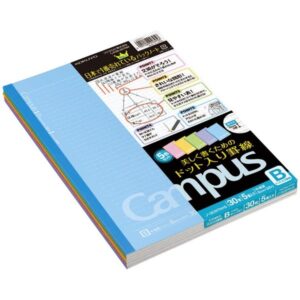
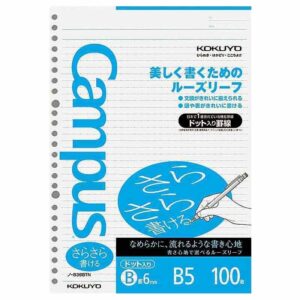
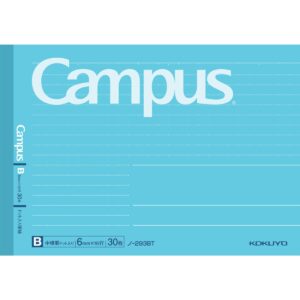
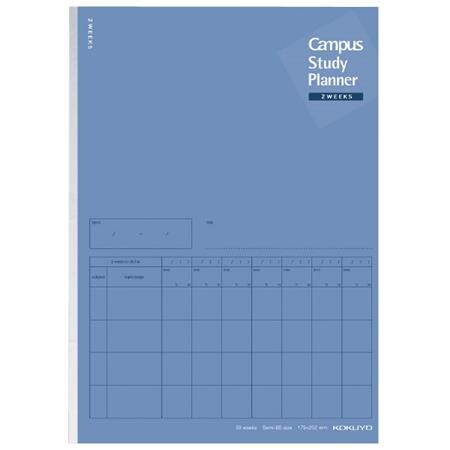
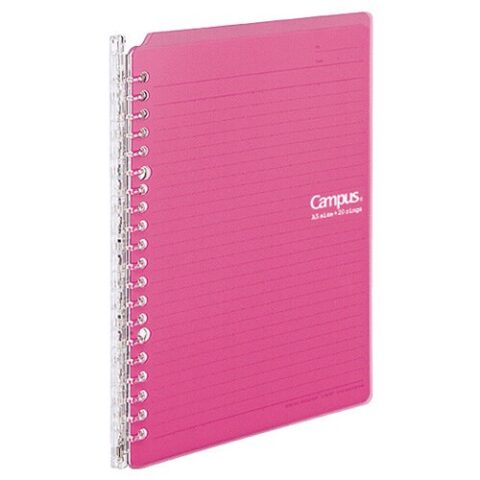
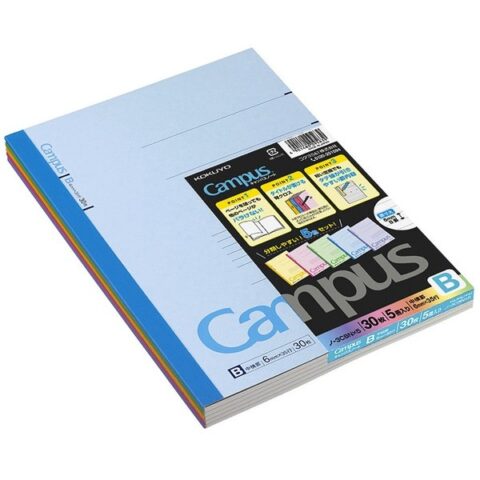
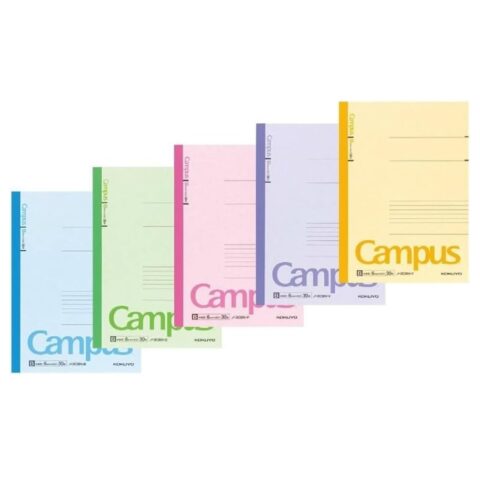
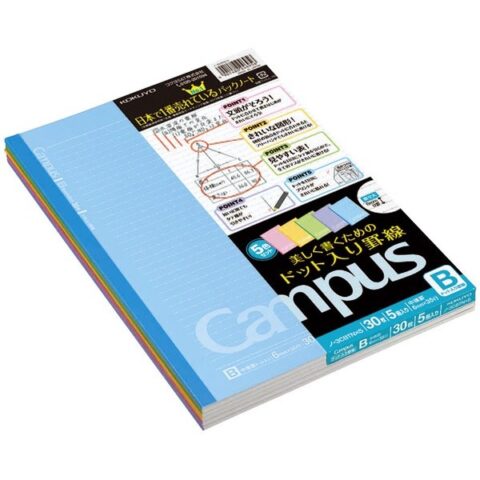
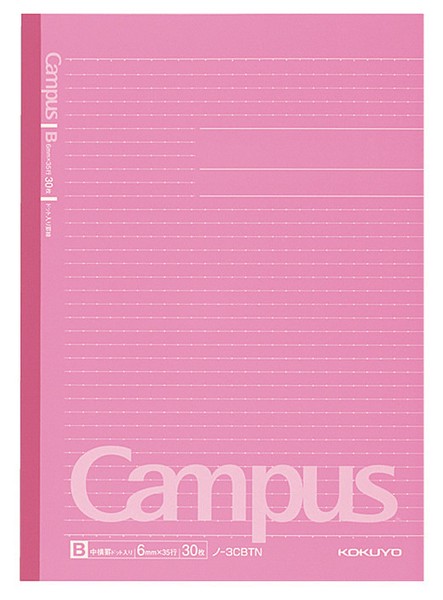
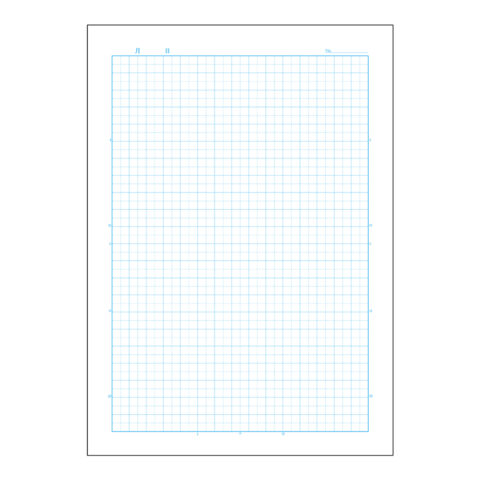
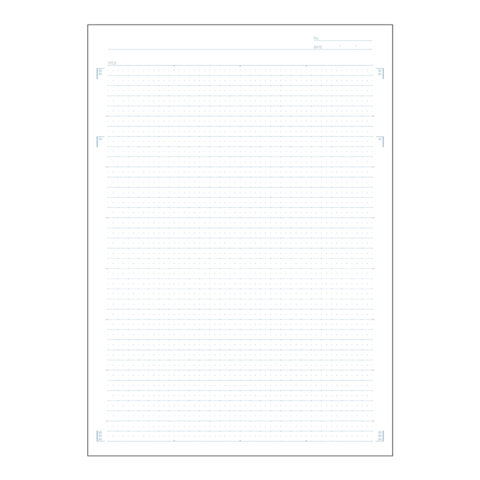
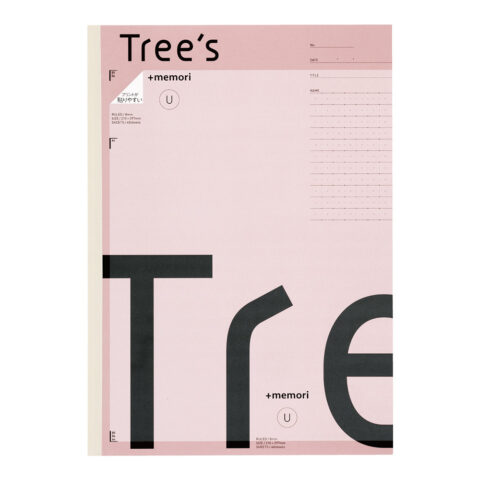
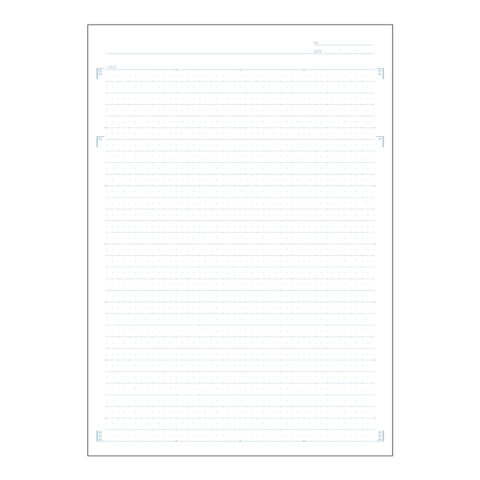
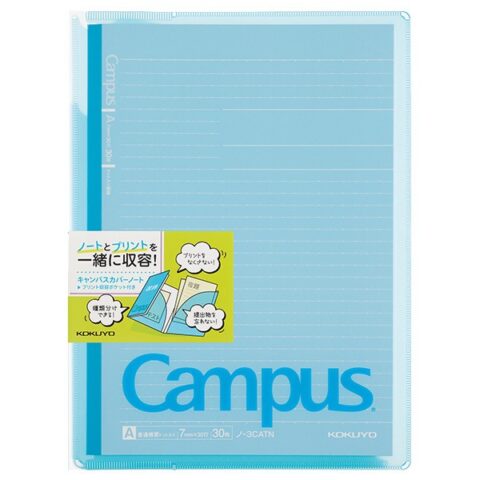
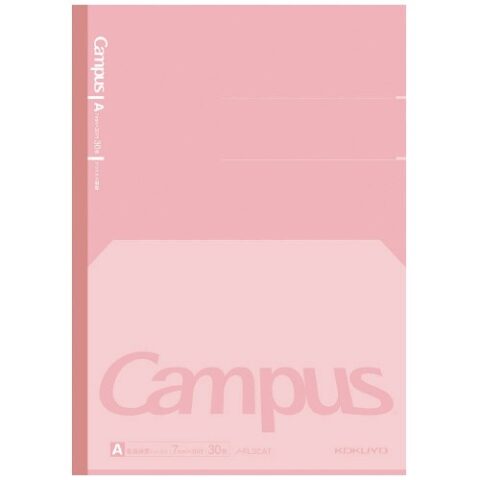
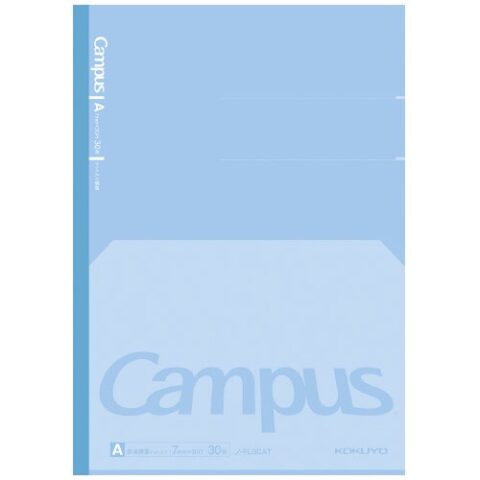
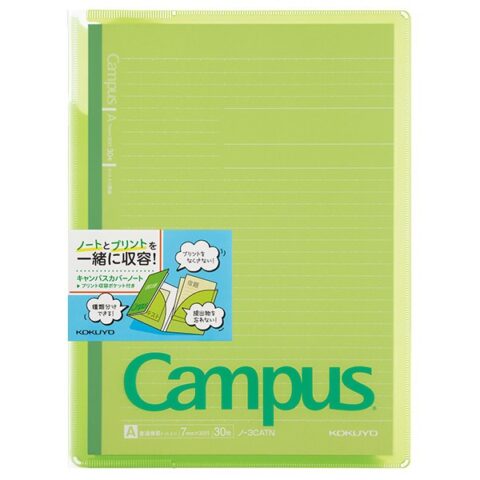
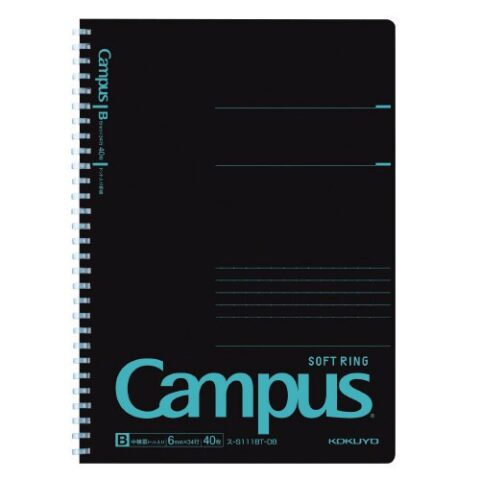
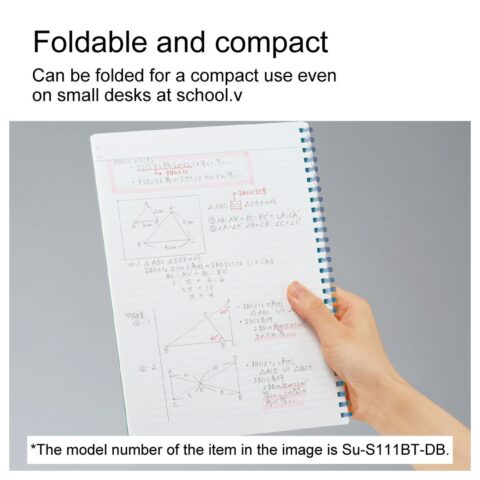
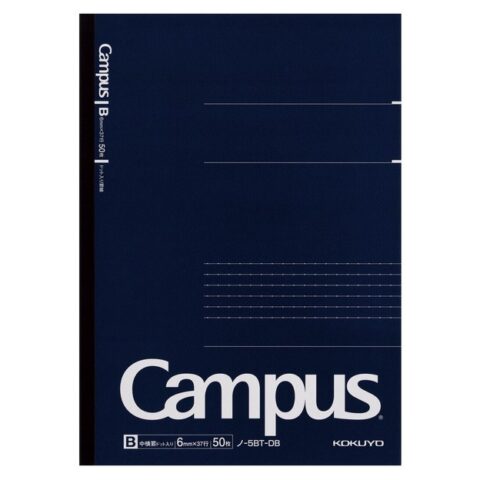
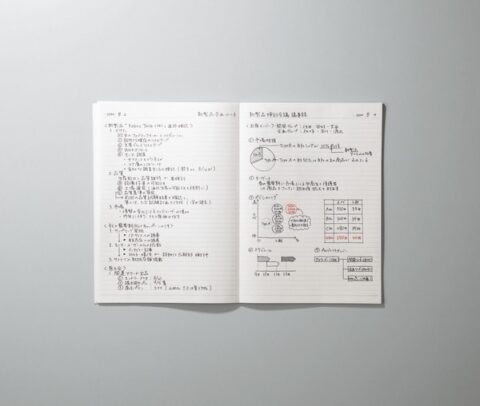
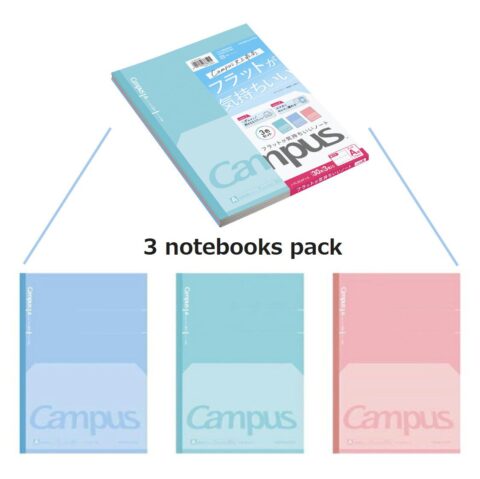
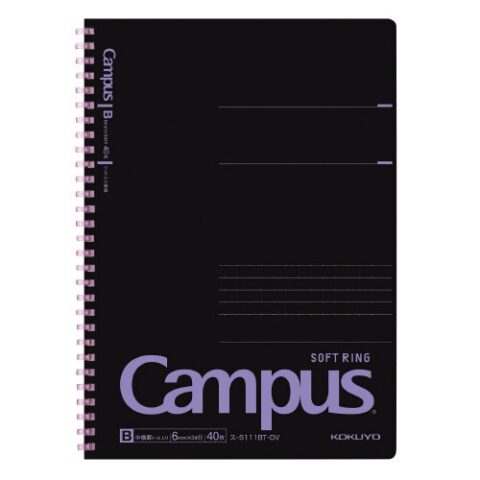
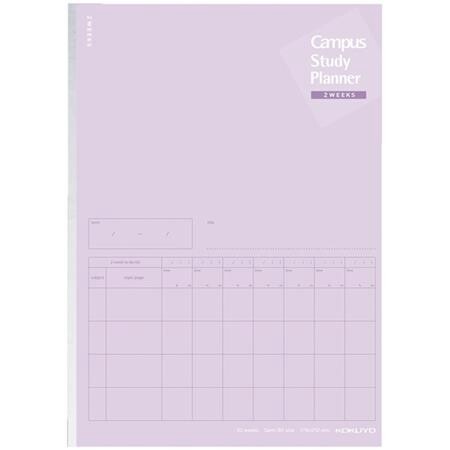
Kokuyo’s Campus notebooks and loose-leaf paper add small, evenly spaced dots along each 6 mm line. They act as guides without getting in the way of your writing.
- Centre a heading or line up the start of paragraphs.
- Draw a table or diagram without a ruler, following the dots.
- Separate the column of words from the column of translations.
The Japanese schoolchild’s notebook
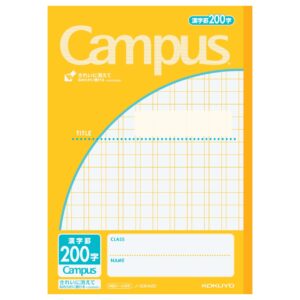
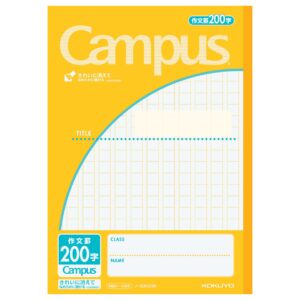
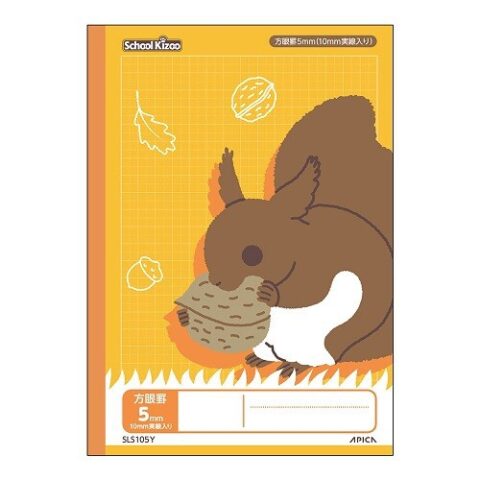
The kanji notebook has large square boxes for writing each character, separated by a narrow column where you note its reading in furigana. Genkō yōshi, on the other hand, has 200 squares per page, one character per square.
- Learn to balance each kanji within its square.
- Note the reading alongside, without cluttering the square.
- Write as they do in Japan, with genkō yōshi.
Pages that move around
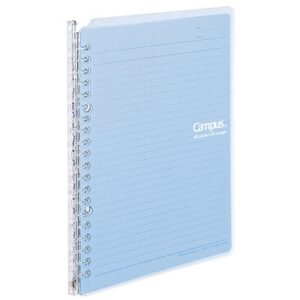
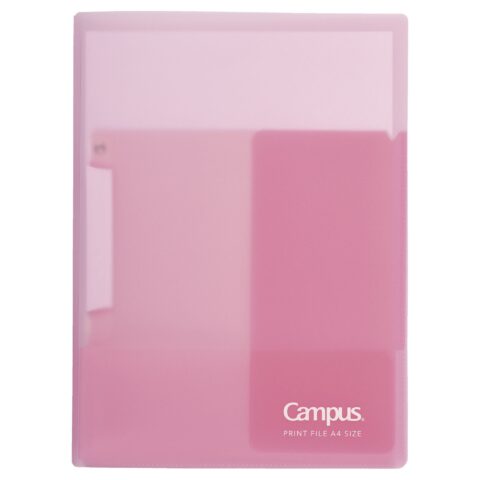
In Japan, students take notes on loose-leaf sheets, then file them by subject. B5 with 26 holes is the standard: a sheet moves from one B5 binder to another.
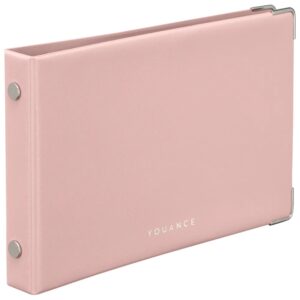
- 26-hole B5 for lessons, 9-hole Mini for revising on the go.
- Paper with a firmer, more textured “writing feel”, or “clean erase” paper that rubs out without leaving a shadow.
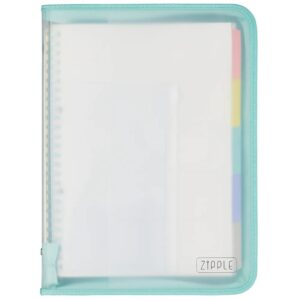
- Dividers, pockets and index tabs for sorting your chapters.
Learning by heart, the Japanese way
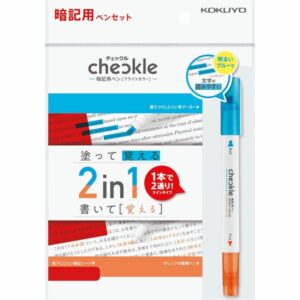
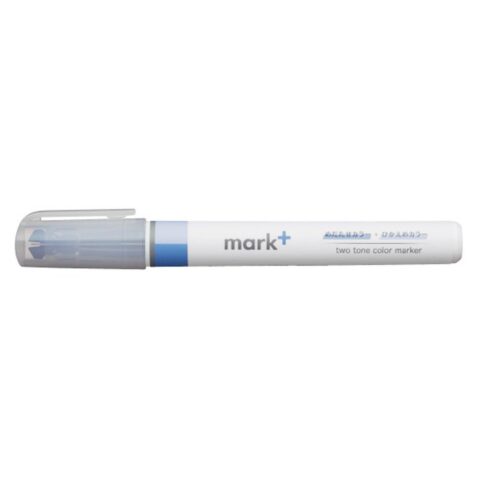
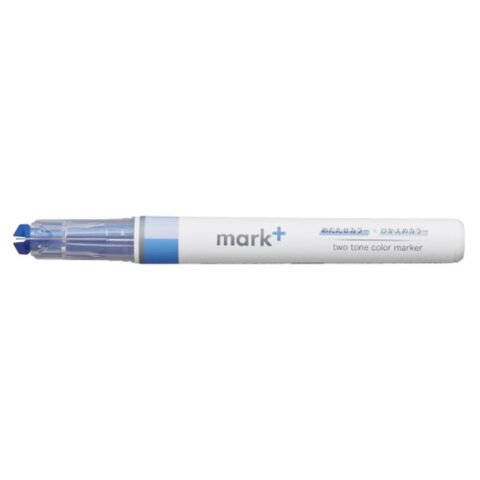
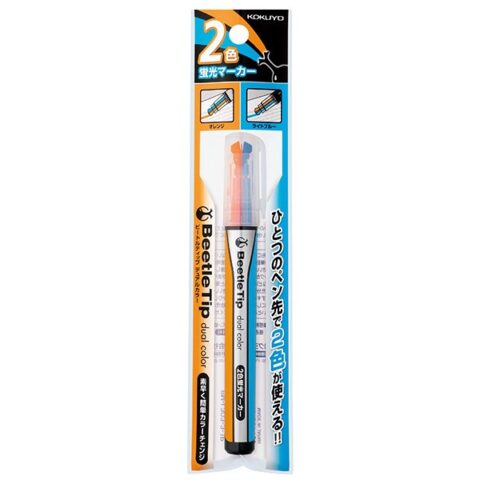
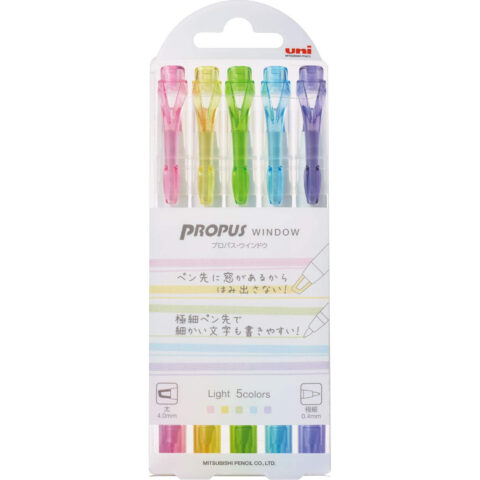
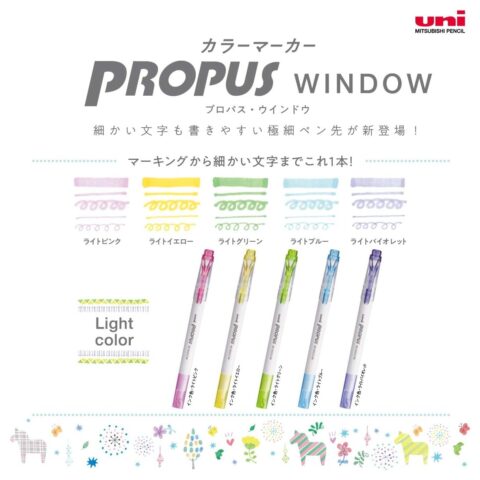
You write or highlight the words to remember in orange or blue ink, then lay a red sheet or cover over them: the words disappear. You recite, lift the sheet and check.
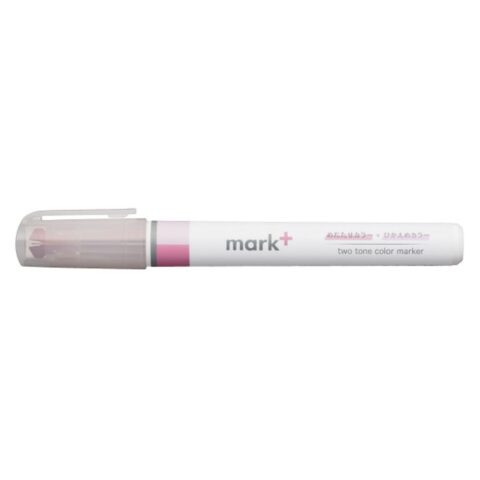
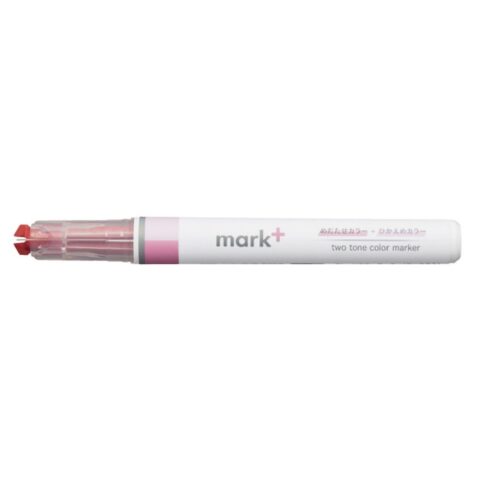
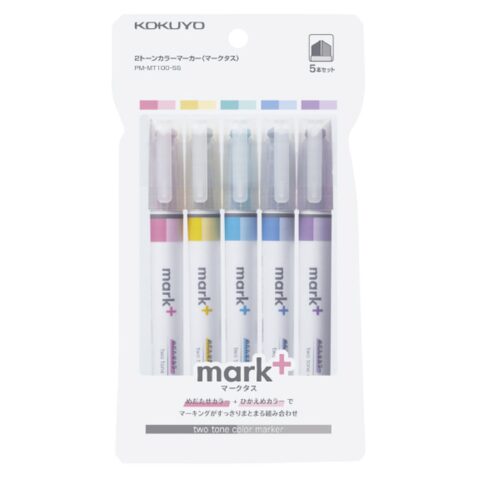
- The Checkle set: a marker for highlighting your textbook, a fine tip for writing, and the red sheet.
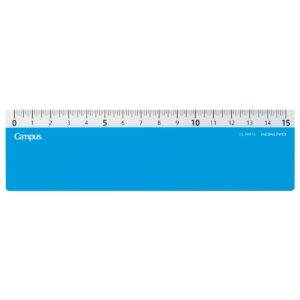
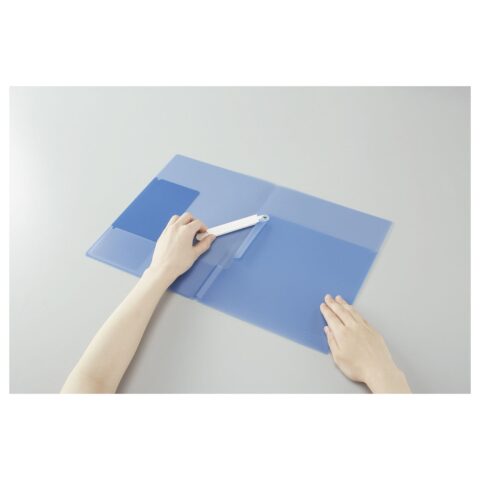
- The blue Campus ruler also works as a cover sheet.
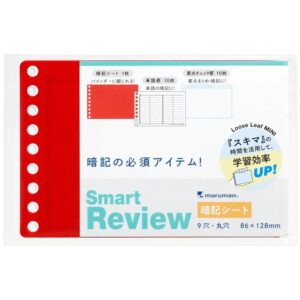
- Smart Review cards have a dedicated area for checking your answers.
Revise standing up, with one hand
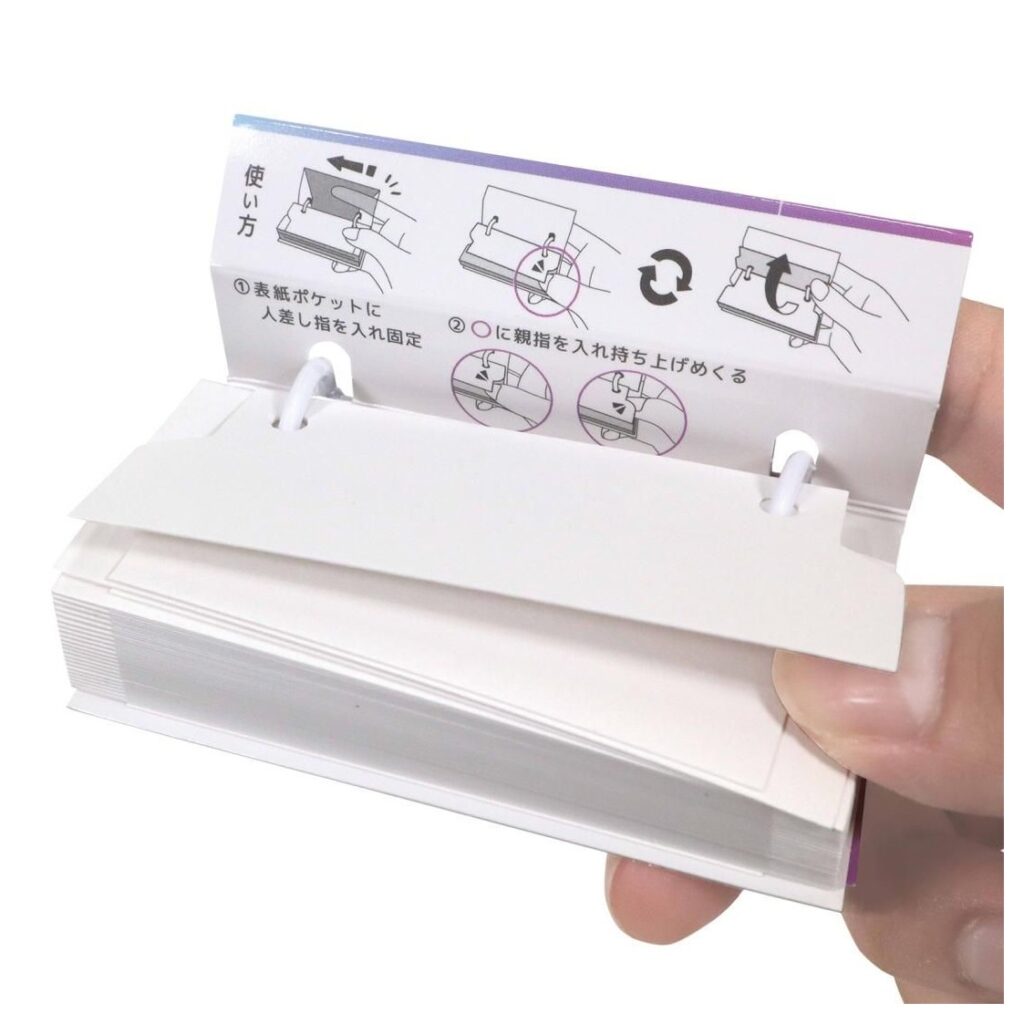
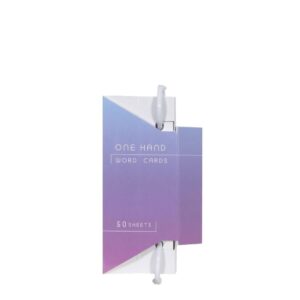
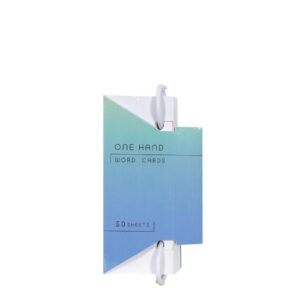
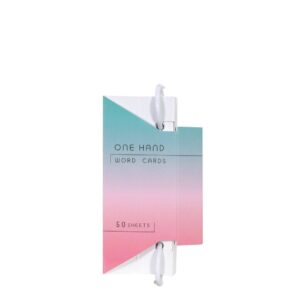
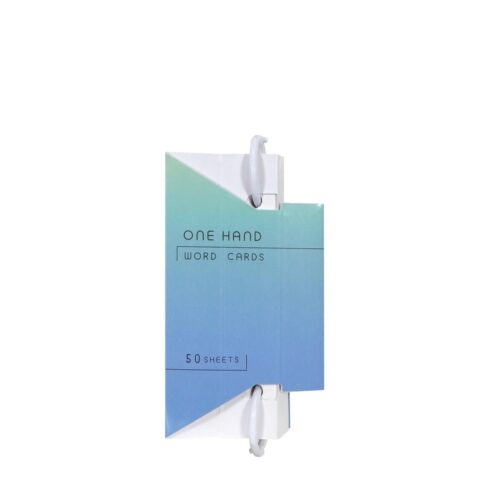
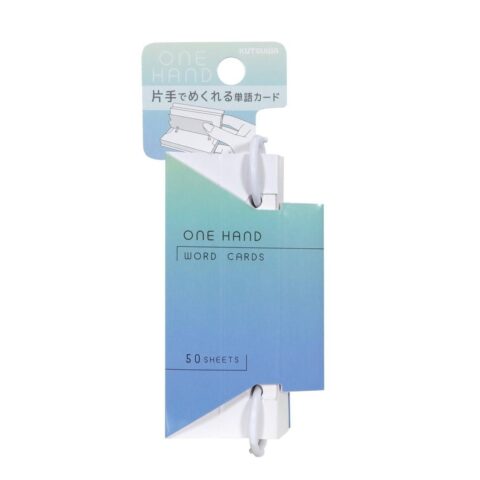
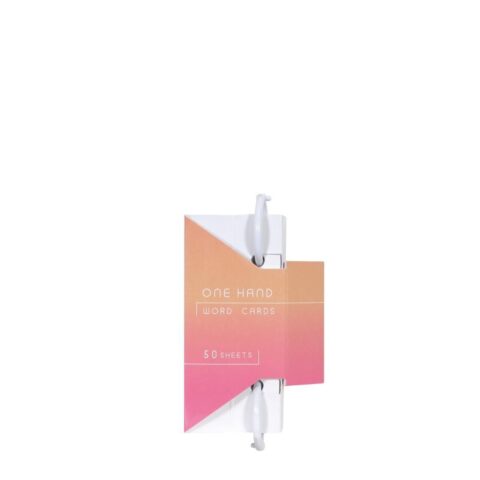
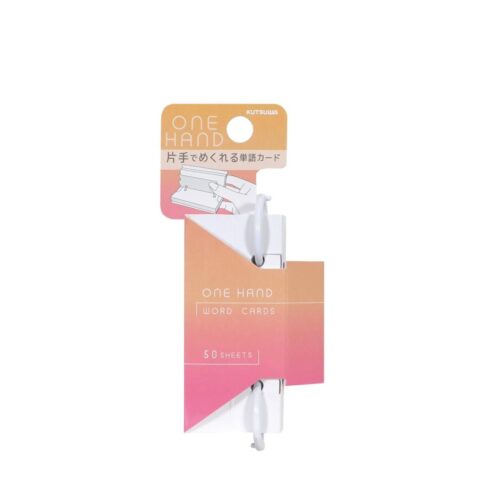
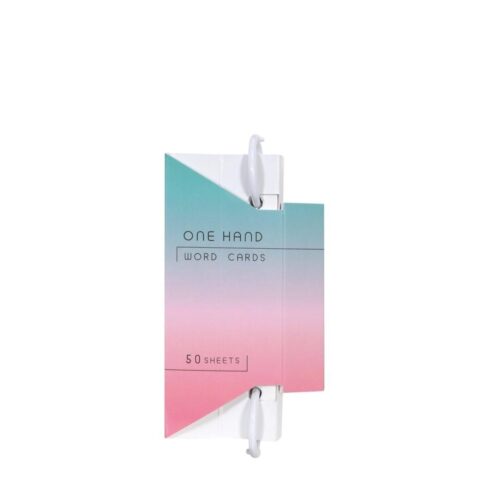
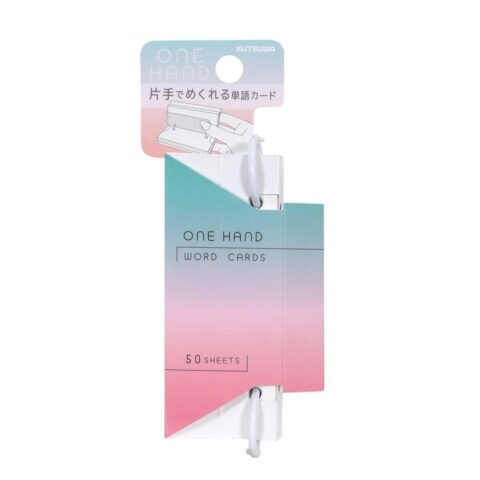
Kutsuwa’s One Hand cards flip over with your thumb, right- or left-handed: bound along the long edge by two rings, they turn like the pages of a flip calendar, and the ring locks shut for carrying.
- Ideal on public transport or in a queue.
- A ring for adding or removing cards.
- In large or small size.

Words worth knowing
- B5
- The standard school notebook size in Japan: 252 × 179 mm, slightly smaller than A4.
- Campus
- Kokuyo’s notebook, used by Japanese students since 1975.
- Genkō yōshi
- The squared paper used for Japanese compositions: one character per square.
- Furigana
- The small kana written beside a kanji to show how it is read.
- Loose-leaf sheet
- A hole-punched sheet that you keep in a binder and move around as you like.
- Red sheet
- A transparent cover sheet that hides orange or red ink so you can recite.
You may be wondering…
What’s the difference between B5 and A4?
Japanese B5 measures 252 × 179 mm, A4 297 × 210 mm: B5 is slightly smaller and fits better on a classroom desk. It’s the size of Campus notebooks and loose-leaf paper.
Mini or B5 loose-leaf?
B5 (26 holes) is for taking class notes; Mini (86 × 128 mm, 9 holes) is for revising on the go. Maruman Mini sheets also fit in the large binders.
Do I need to know Japanese already to use a kanji notebook?
No: the squares guide your strokes from the very first characters, and the furigana column lets you note the reading alongside.
-
 Kokuyo
-
 Maruman
-
 KAMIISO Co.
-
 B-Side Label
-
 Mitsubishi Uni
-
 Mind Wave
-
 NB Co.
-
 Saien
-
 Furukawa Shiko
-
 King Jim
-
 Tombow
-
 Kotoritachi
-
 Pentel
-
 APICA
-
 Miki Tamura
-
 LIFE
-
 OHTO
-
 Yamamoto Paper
-
 MD Product
-
 Kyokuto
-
 ROKKAKU
-
 Sakura
-
 Takeo Co.
-
 Sonic
-
 Midori
-
 Kleid
-
 Kutsuwa
-
 Zebra
-
 Nakabayashi
-
 Sakae TP
-
 Raymay
-
 RYU-RYU Co.
-
 Sanby
-
 SEED
-
 World Craft
-
 Kyoei Plastic
-
 Plus